
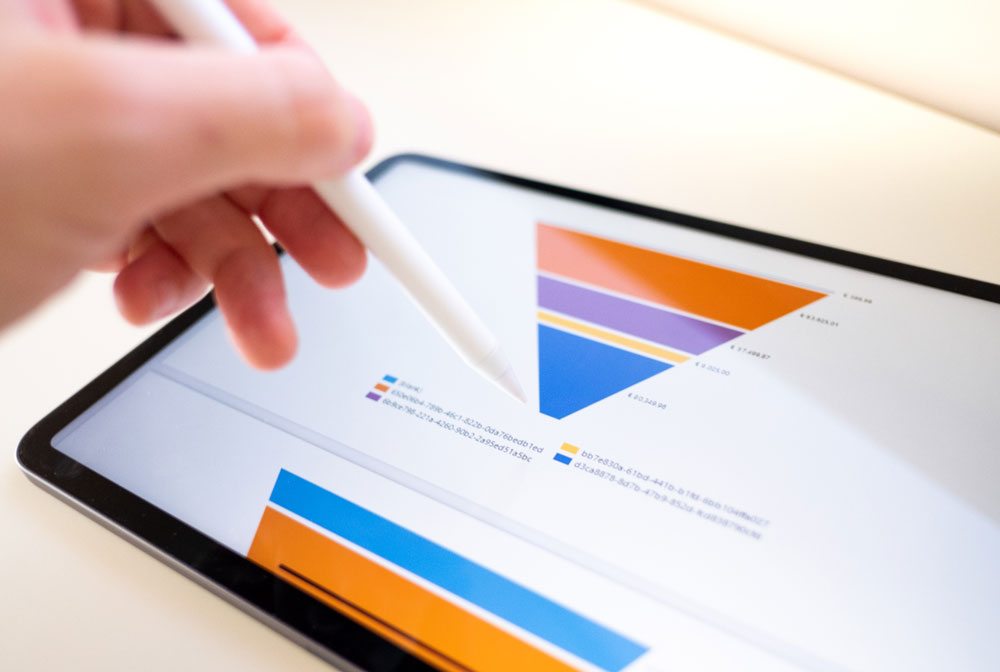
If you’ve been told that the path to purchase is a simple funnel, it’s time for an update.
The traditional marketing funnel once guided marketers in attracting, engaging, and converting consumers in a step-by-step fashion. And, according to the rule of “7 touches,” if a person encountered a brand around seven times, they’d likely become a customer.
But in today’s digital world, that approach doesn’t hold up. Consumers now have instant access to information and opinions, which means their path to buying has become more flexible and unpredictable. Gone are the days of a clear-cut funnel.
So, why doesn’t the funnel work anymore?
Today’s buyers don’t just move from “awareness” to “decision.” Instead, they spend a lot of time bouncing between exploring different options and comparing choices—a process that’s full of loops, sidesteps, and sometimes even complete U-turns.
Factors like social media, online reviews, and targeted ads give people constant reasons to re-evaluate their choices. This means they don’t simply advance through a funnel; they get pulled into a web of information that challenges the old way of thinking.
How You Win:
Brands need more than a fixed approach; they need flexibility. The traditional funnel can’t capture today’s consumer behavior because it overlooks how people actually make decisions now. To connect with modern buyers, brands need to recognize and respond to this new, more complex journey. It is important to remember that this strategy is in addition to, not instead of, your current lower funnel strategies.
Next up: How Consumers Make Decisions in the Messy Middle—unpacking the complex thought processes and influences guiding today’s buyers as they assess their options.